Stay Ahead in Fast-Growing Economies.
Browse Reports NowAutomotive & Transportation

364 ProductsAerospace & Defense
94 ProductsAgriculture
138 ProductsChemicals & Advanced Materials
546 ProductsConsumer Goods & Retail
408 ProductsElectronics & Semiconductors
362 ProductsEnergy & Environment
129 ProductsFood and Beverages
460 ProductsHealthcare & Life Sciences
1622 ProductsIT & Communications
786 ProductsMachinery & Industrial Equipment
311 ProductsService Industry
494 ProductsMarket Research Reports
Filter
Showing 2241–2260 of 5714 results
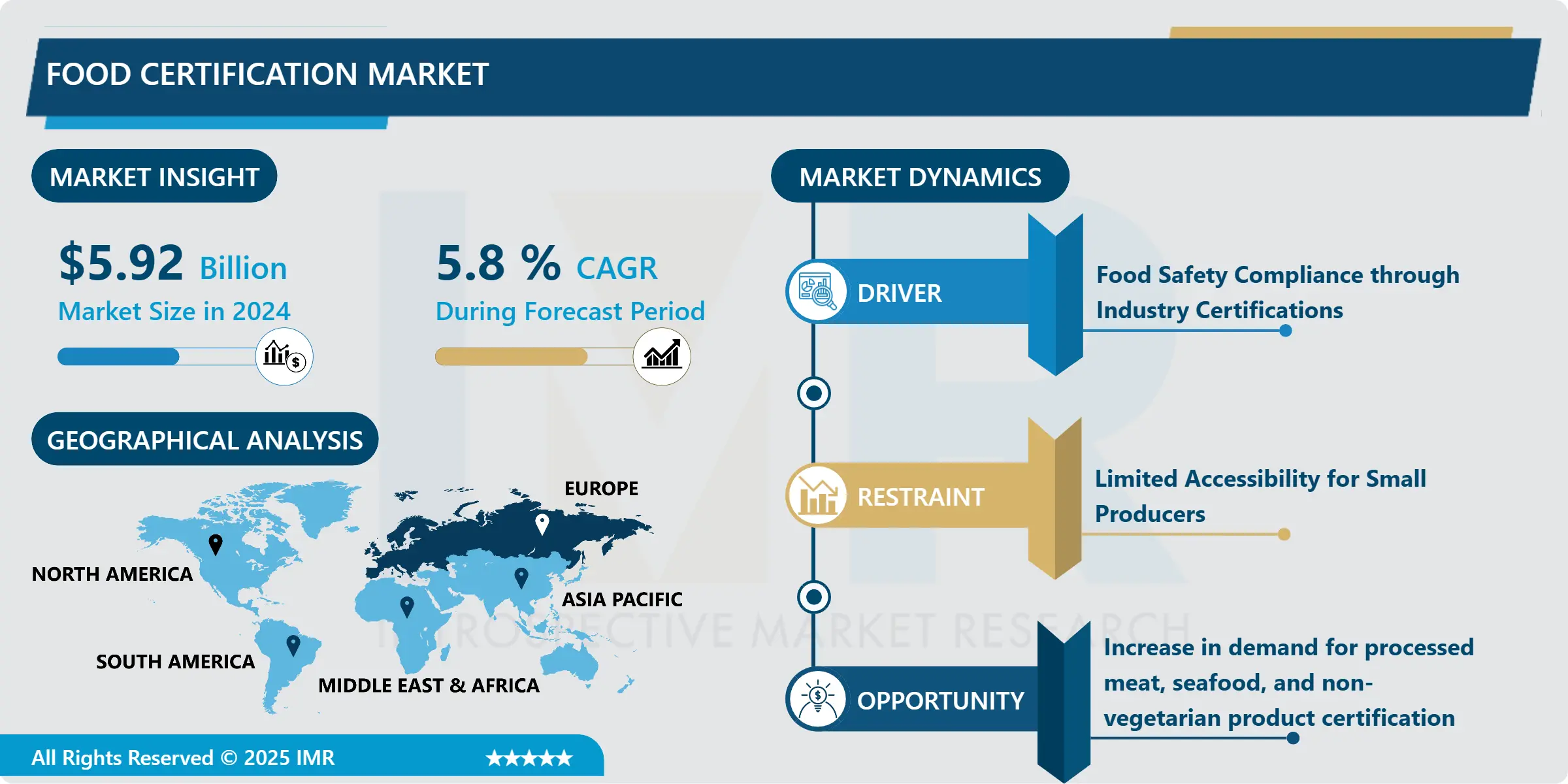
Food certification can be defined as the evaluation, accreditation, and confirmation of food in line with specifications laid down by regulatory agencies, or industry standards.
Publication Date: 01/11/2025
Pages: 400
Publisher: IMR Group
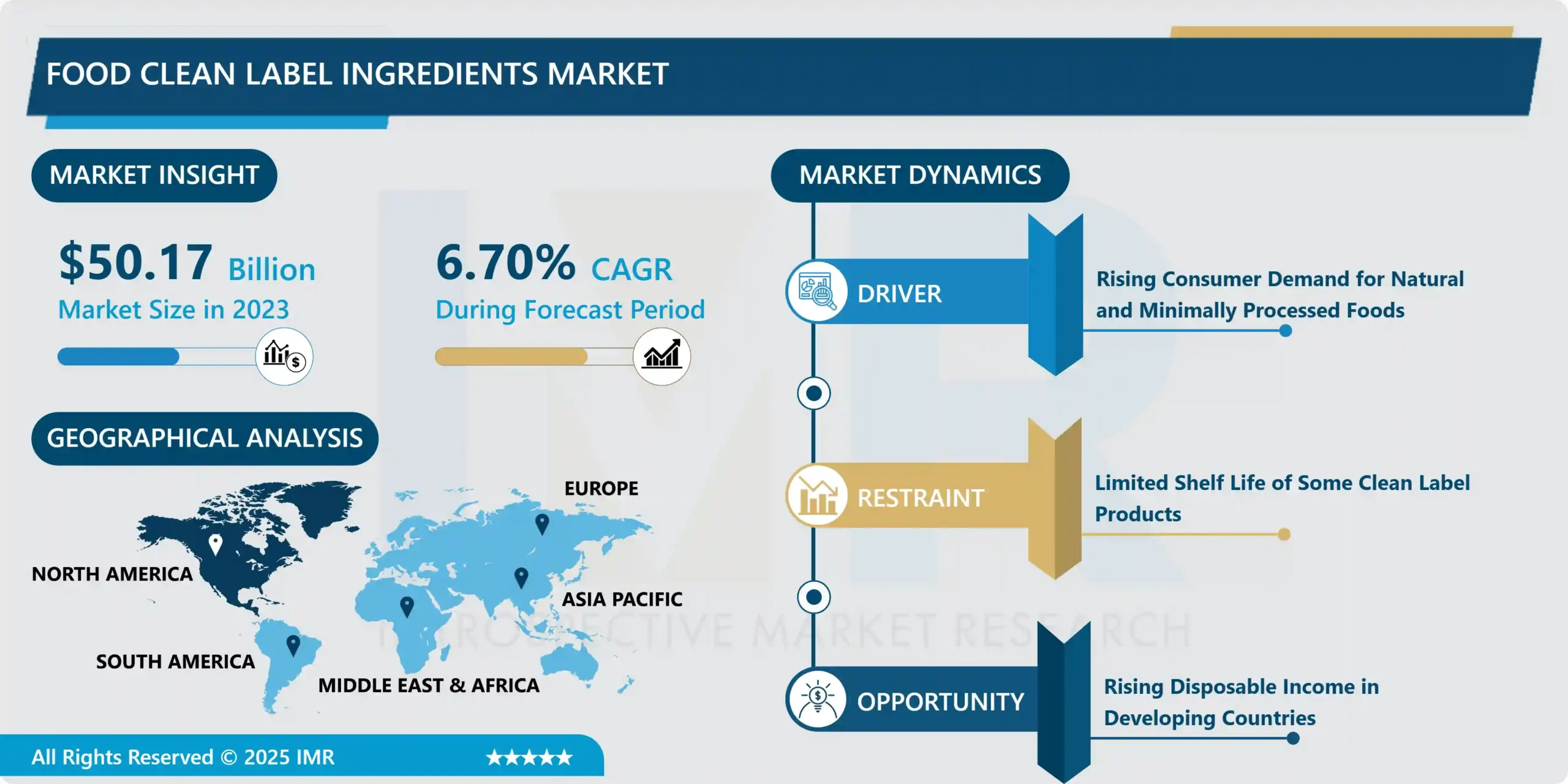
Clean label ingredients in food refer to natural, minimally processed components used in food products, avoiding artificial additives, colors, flavors, and preservatives. These ingredients are chosen for their simplicity, transparency, and perceived health benefits, meeting consumer demand for wholesome and recognizable food options. Clean label ingredients in food have a wide range of applications across various product categories, including snacks, beverages, bakery items, and ready-to-eat meals.
Publication Date: 01/11/2025
Pages: 400
Publisher: IMR Group
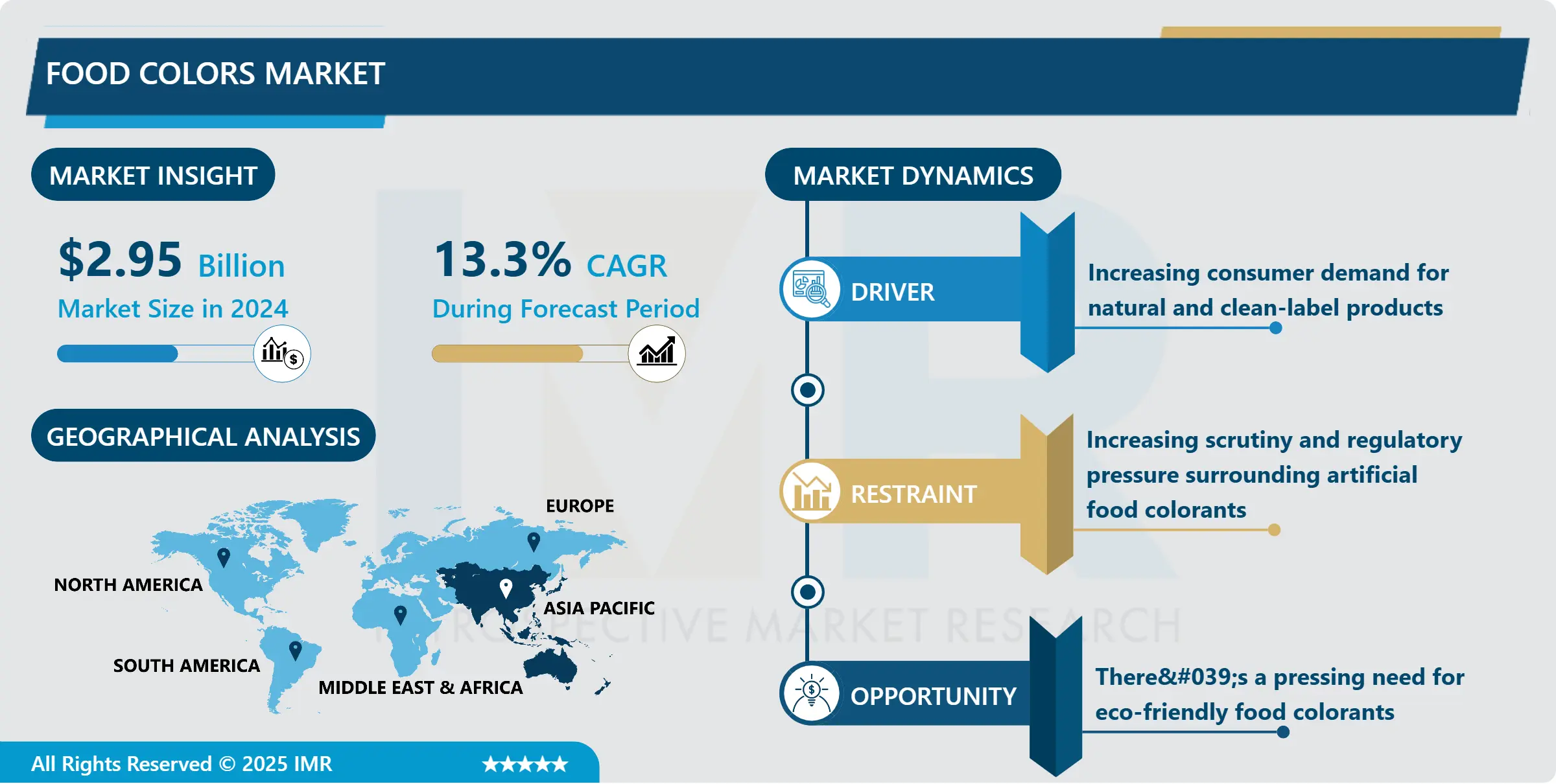
Food color is a pigment or substance that adds color to the food & beverages after being mixed. Food color has applications in bakery & confectionery, dairy & frozen desserts, beverages, meat products, and sweet & savory snacks, among others.
Publication Date: 01/11/2025
Pages: 400
Publisher: IMR Group
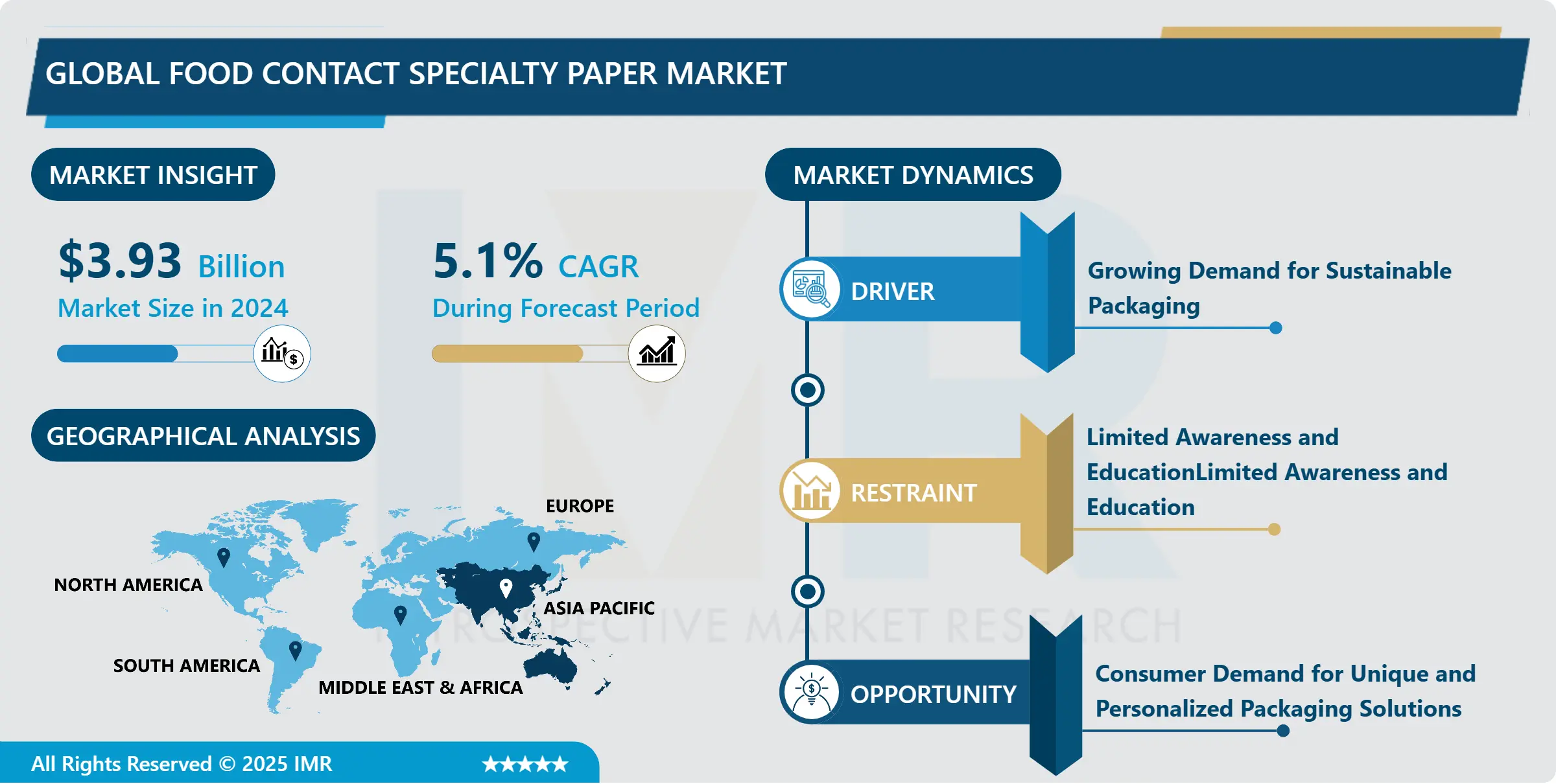
Food Contact Specialty Paper is specifically designed and manufactured to ensure safe contact with food products. It undergoes stringent testing and adheres to regulatory standards to guarantee that it does not transfer any harmful substances to the food it comes into contact with. This paper is commonly used in packaging applications for various food items such as baked goods, confectionery, fast food, and more, providing a reliable and food-safe solution for packaging needs.
Publication Date: 01/11/2025
Pages: 400
Publisher: IMR Group
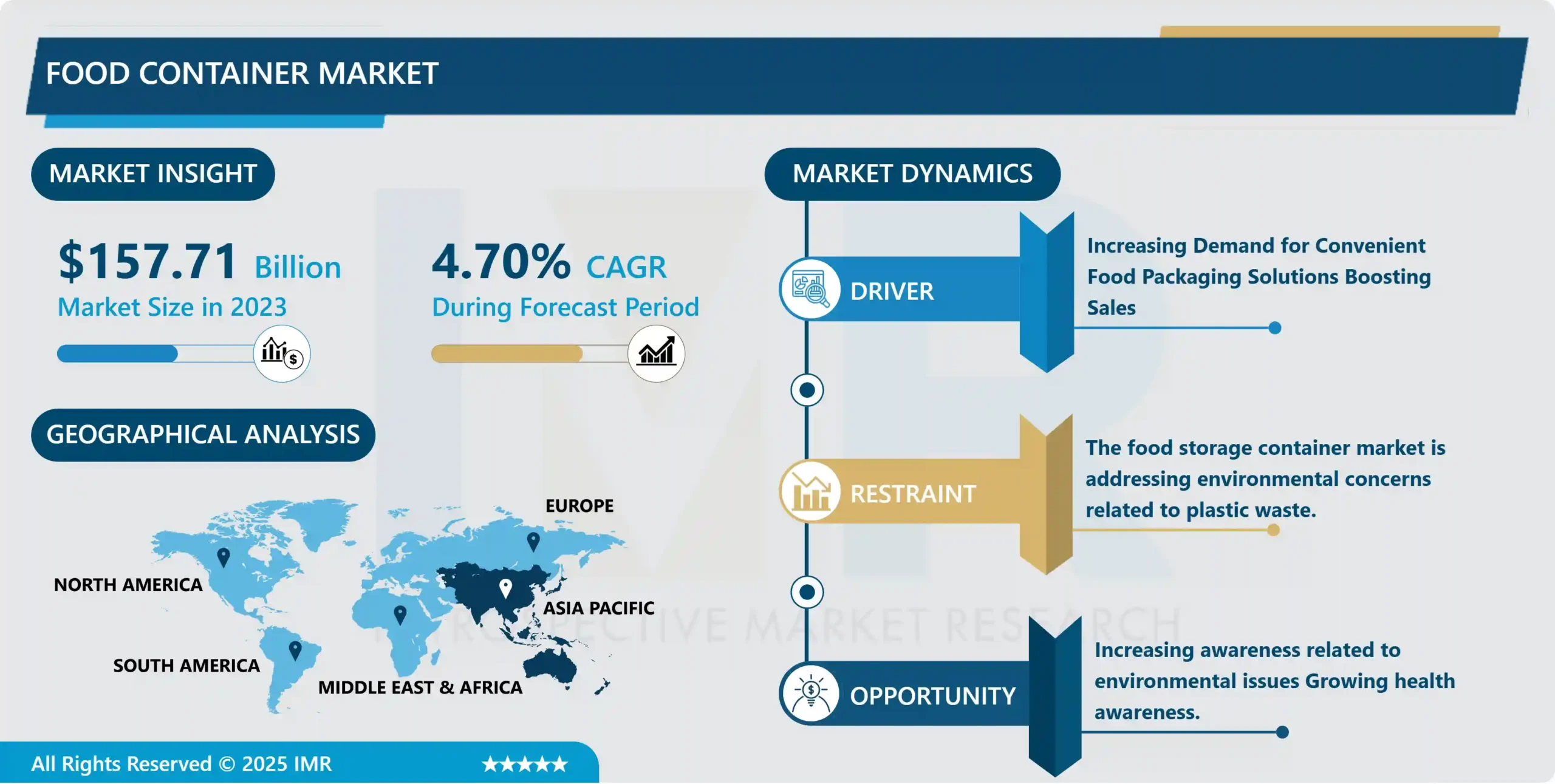
Food containers are made specifically to hold, move, and preserve food. To meet various demands and objectives, they are available in an assortment of materials, sizes, forms, and types. Food containers can be constructed from a variety of materials, including paper, metal, glass, plastic, and composite materials. They have handles, lids, and insulation, among other features, and can be used for both hot and cold meals. In the food sector, food containers are frequently used for both home and commercial applications. Food items such fruits, vegetables, meat, chicken, fish, and prepared meals are packaged and stored in them.
Publication Date: 01/11/2025
Pages: 400
Publisher: IMR Group
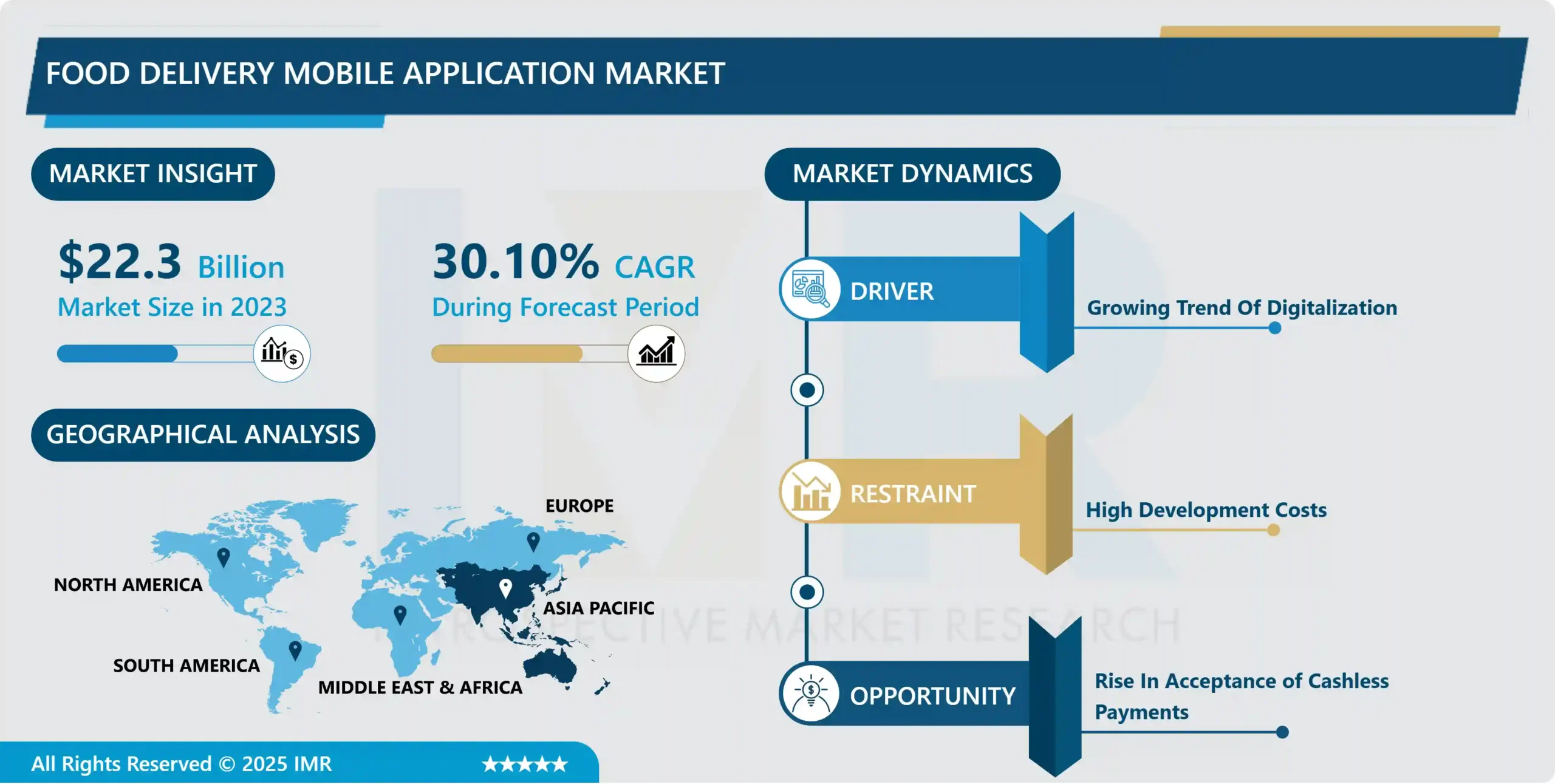
Making the Food Delivery Mobile Application is the way for restaurants, franchisees, and other food-selling proprietors to do their work smoothly. The platform enables customers to do it faster and more conveniently by aggregating all the choices in one singular mobile online portal. Starting with telephone delivery orders and takeaway counters and eventually moving to websites and mobile applications- food delivery has come a long way.
Publication Date: 01/11/2025
Pages: 400
Publisher: IMR Group
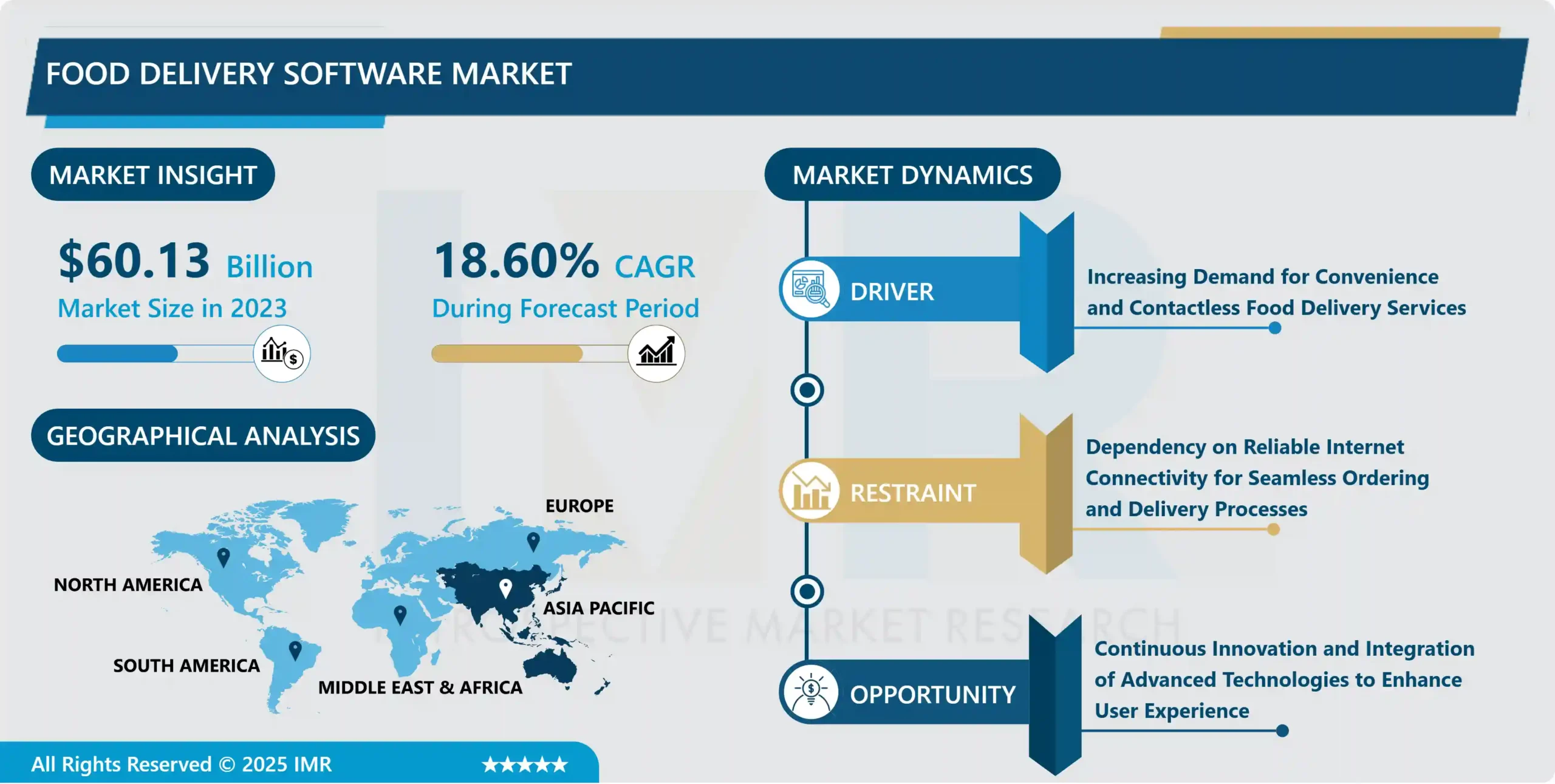
Food delivery software is a specialized technology designed to streamline and enhance the process of delivering food from restaurants to customers. It typically consists of a comprehensive system that integrates various components, such as user-friendly interfaces for customers to place orders, real-time tracking features, and efficient dispatch systems.
Publication Date: 01/11/2025
Pages: 400
Publisher: IMR Group
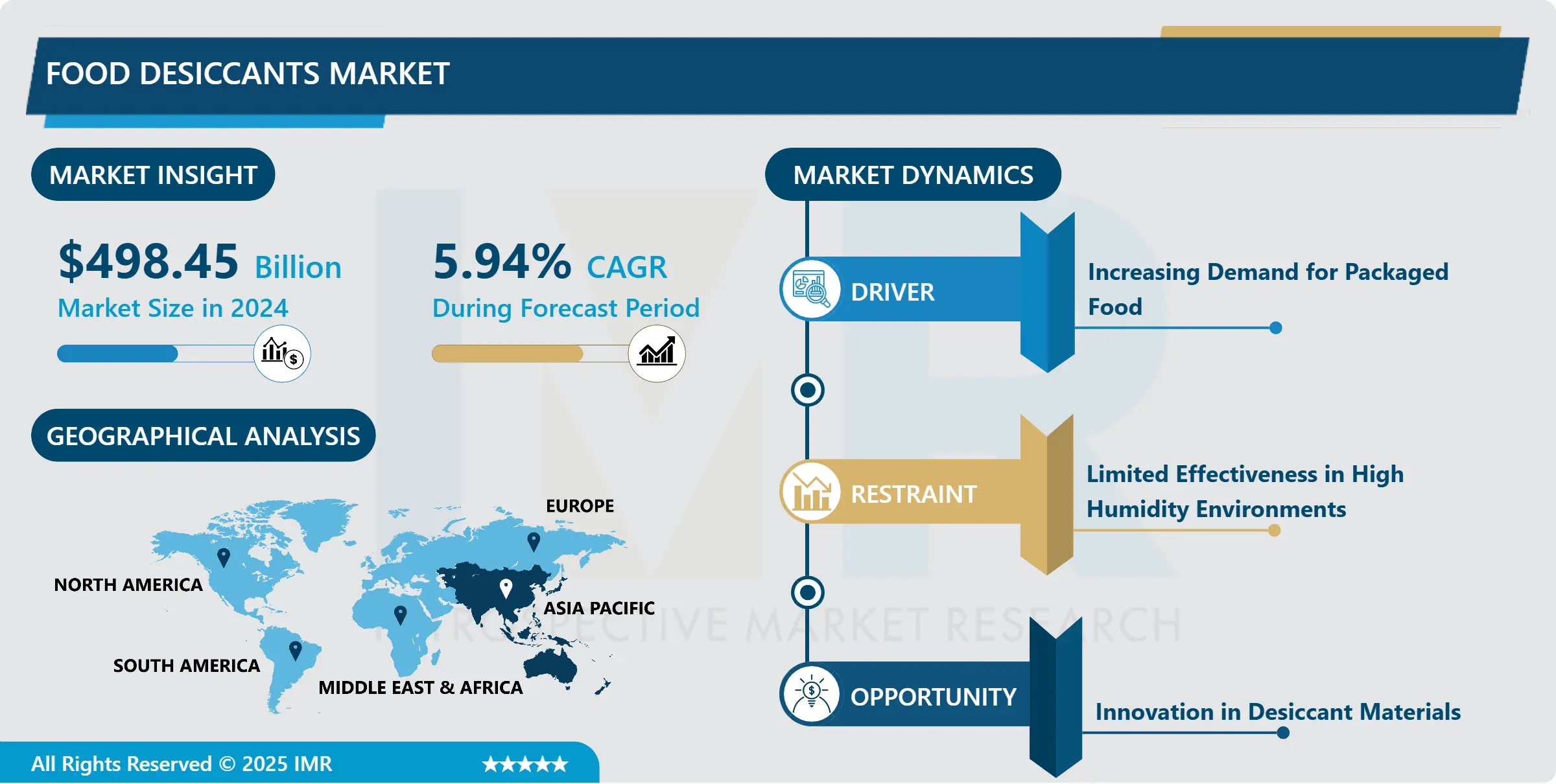
Food desiccants are moisture-absorbing substances used in food packaging to prevent moisture-related issues like mold, spoilage, and staleness. Comprising materials like silica gel or clay, these desiccants act as humidity regulators, preserving the freshness and quality of packaged food products during storage and transportation.
Publication Date: 01/11/2025
Pages: 400
Publisher: IMR Group
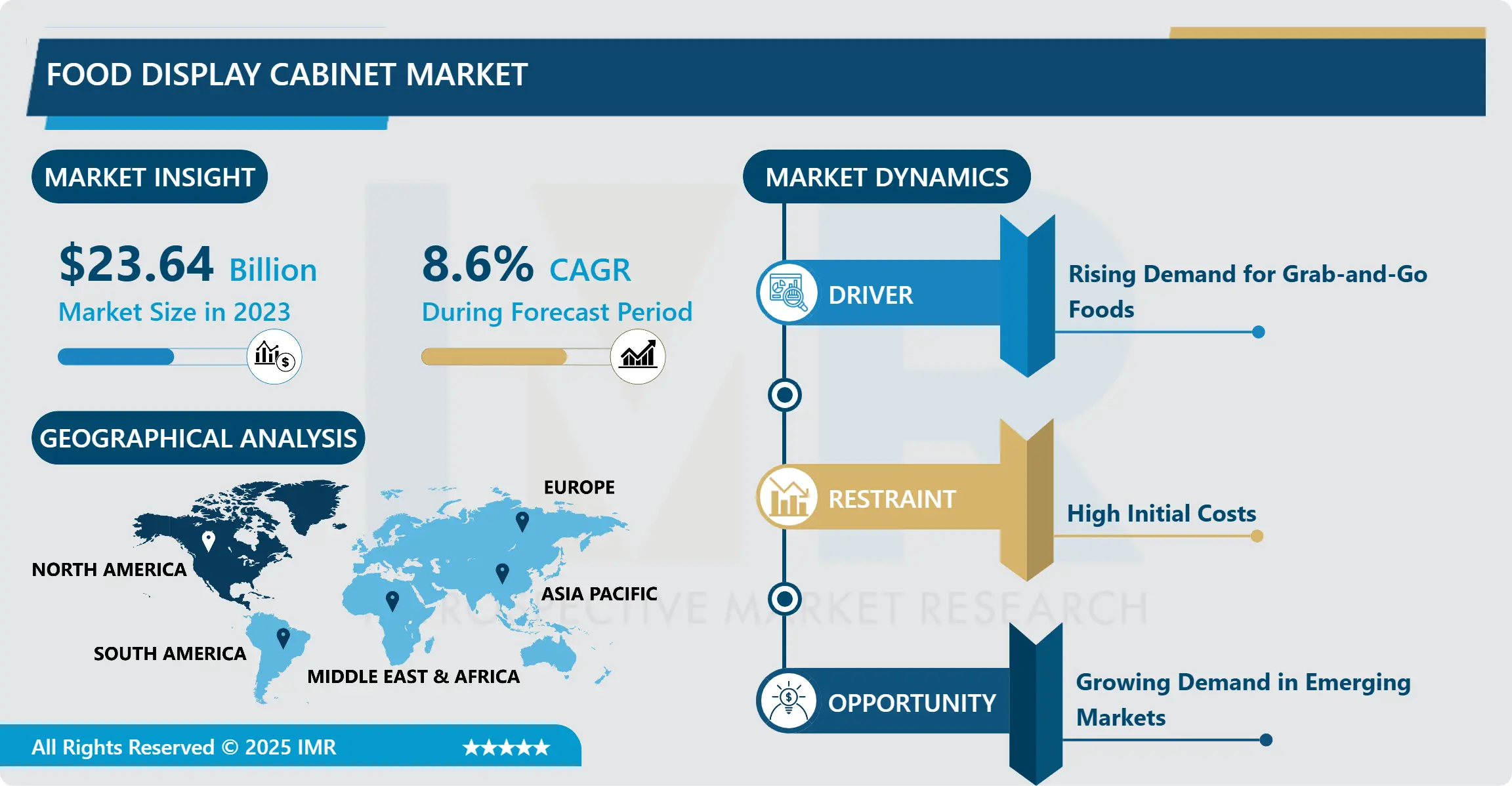
The Food Display Cabinet Market refers to cabinets used for food products display and storage to ensure appropriate temperatures for the goods. It is possible to find these cabinets in bakeries, restaurants, supermarkets, and hotels with the aim to allow people to see the products, make their choice, and have safe products to use.
Publication Date: 01/11/2025
Pages: 400
Publisher: IMR Group
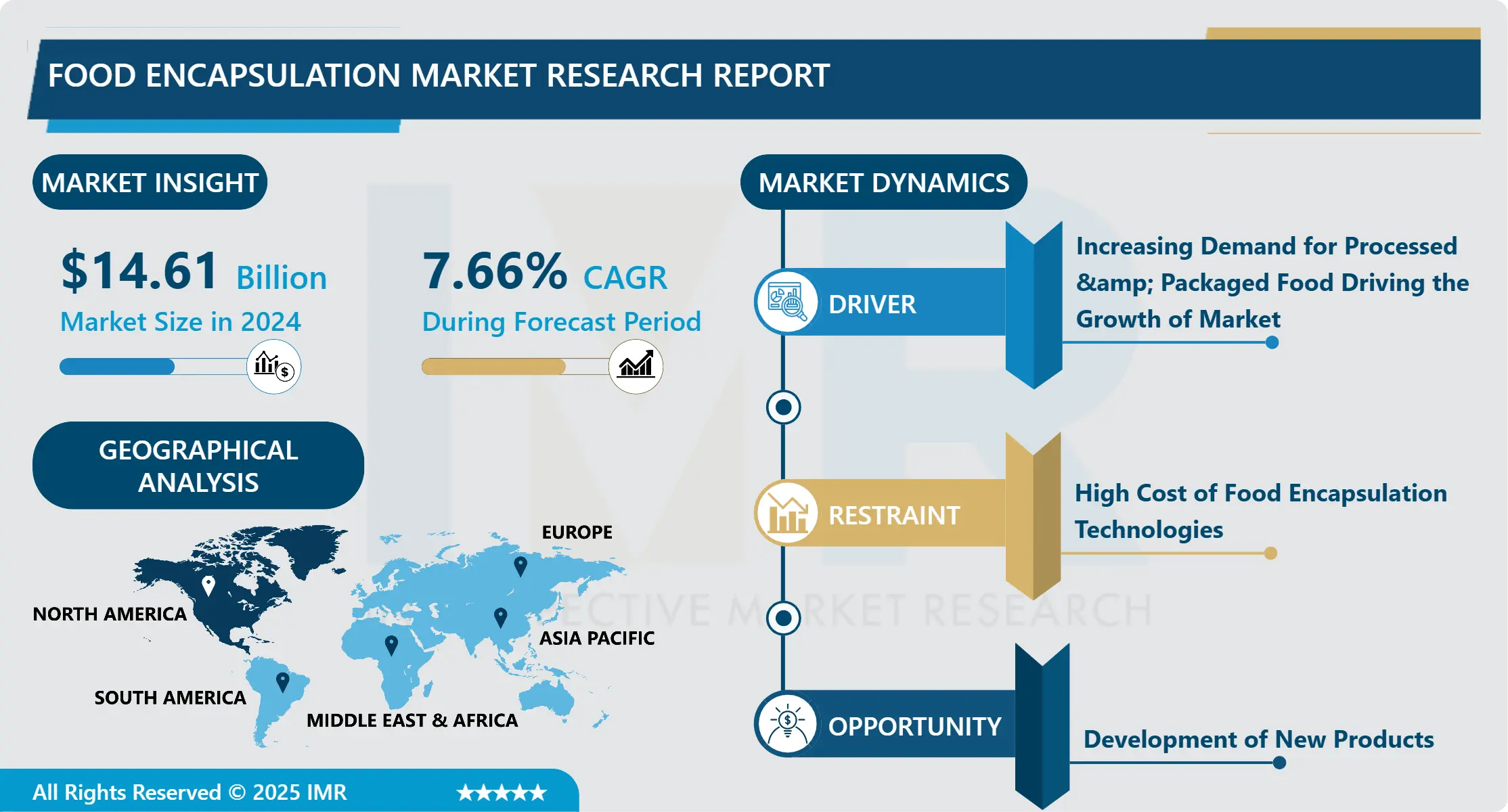
Encapsulation includes the incorporation of food ingredients, organic acids, additives, essential oils, enzymes, cells or other shell materials in small capsules. Rising the applications for this technique in the food industry since the encapsulated materials are protected from moisture, heat or other extreme conditions, for upgrading their stability and maintaining viability which leads to growth of the market during forecast period.
Publication Date: 01/11/2025
Pages: 400
Publisher: IMR Group
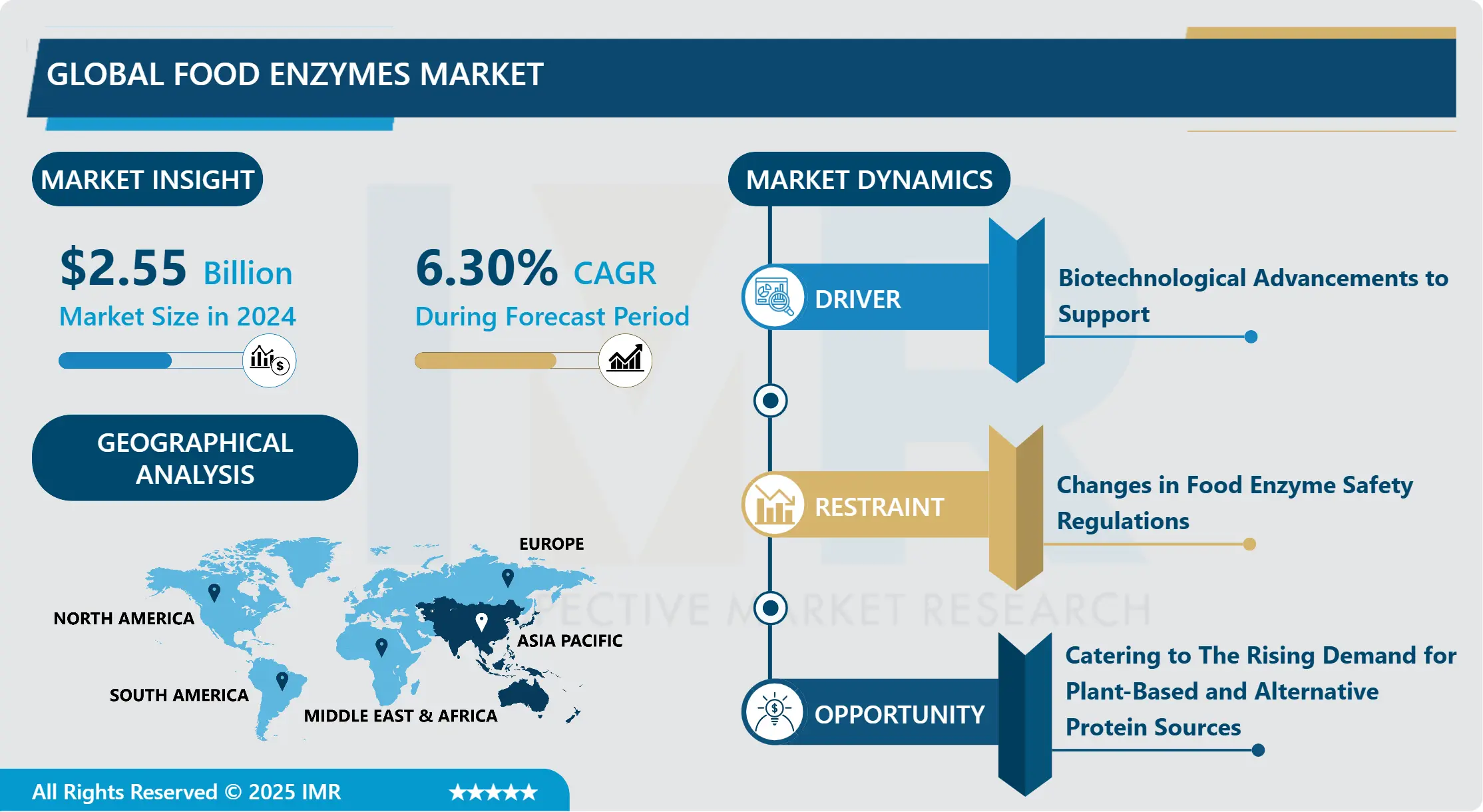
Enzymes are protein molecules that exist in all living things. They speed up and target chemical reactions, in many cases increasing the rate of reactions by millions of times. For example, they aid digestion, metabolize and eliminate waste in humans and animals, and play a crucial role in muscle contraction.
Publication Date: 01/11/2025
Pages: 400
Publisher: IMR Group
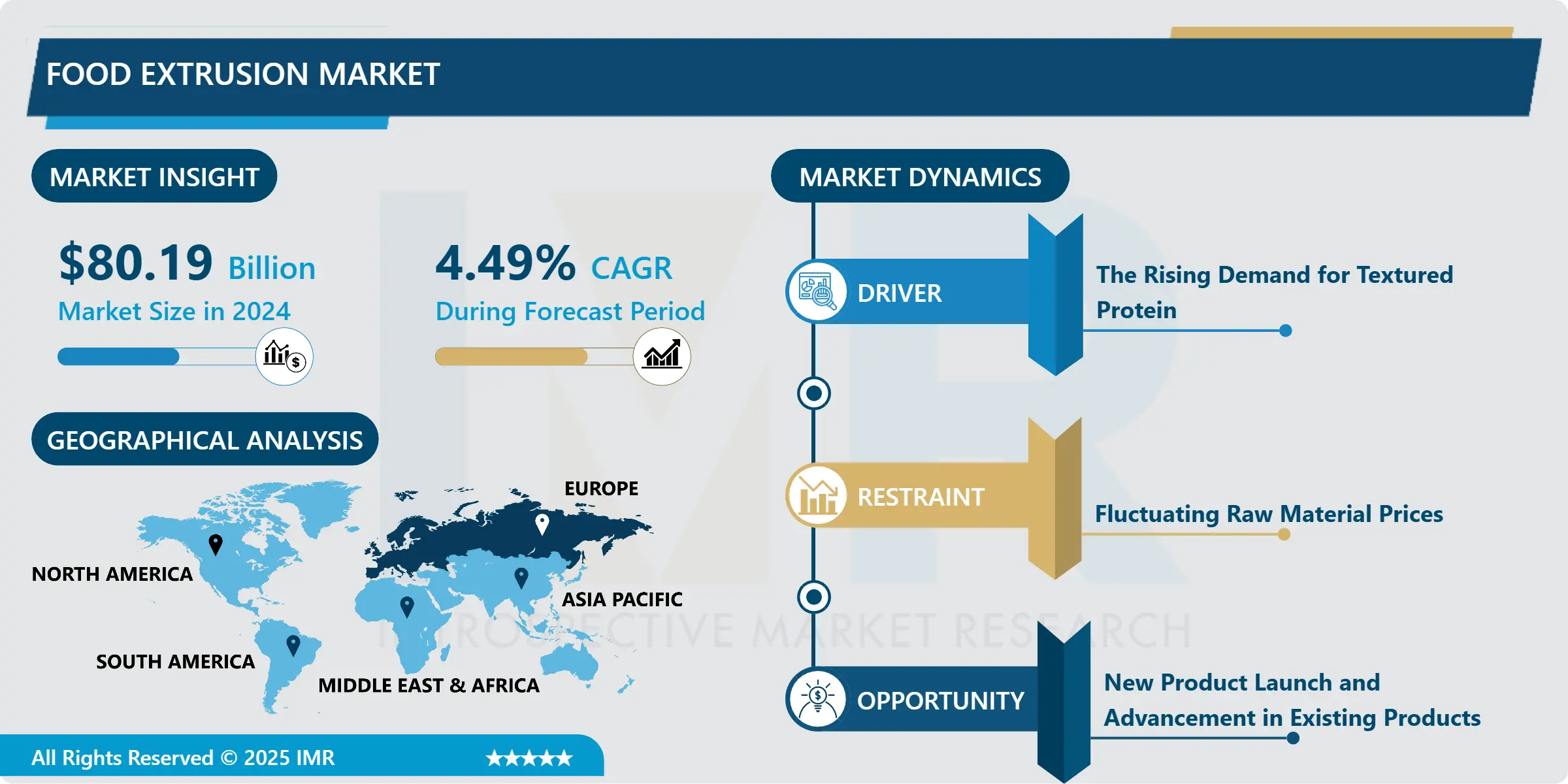
Extrusion is referred to as a system of propelling mixed ingredients out through a small opening, called a die, to form and shape the materials. The formed products are then called extrudates. The first extruders for food processing were piston and ram-type extruders for processing meats and sausages (Harper 1981). Food extrusion is a part of the food processing process which aids in developing food a specific way, and later bringing it to defined sizes majorly with the help of blades. Breakfast cereals, confectionery products, baby foods, and different kinds of pasta make important applications of the food extrusion mechanism.
Publication Date: 01/11/2025
Pages: 400
Publisher: IMR Group
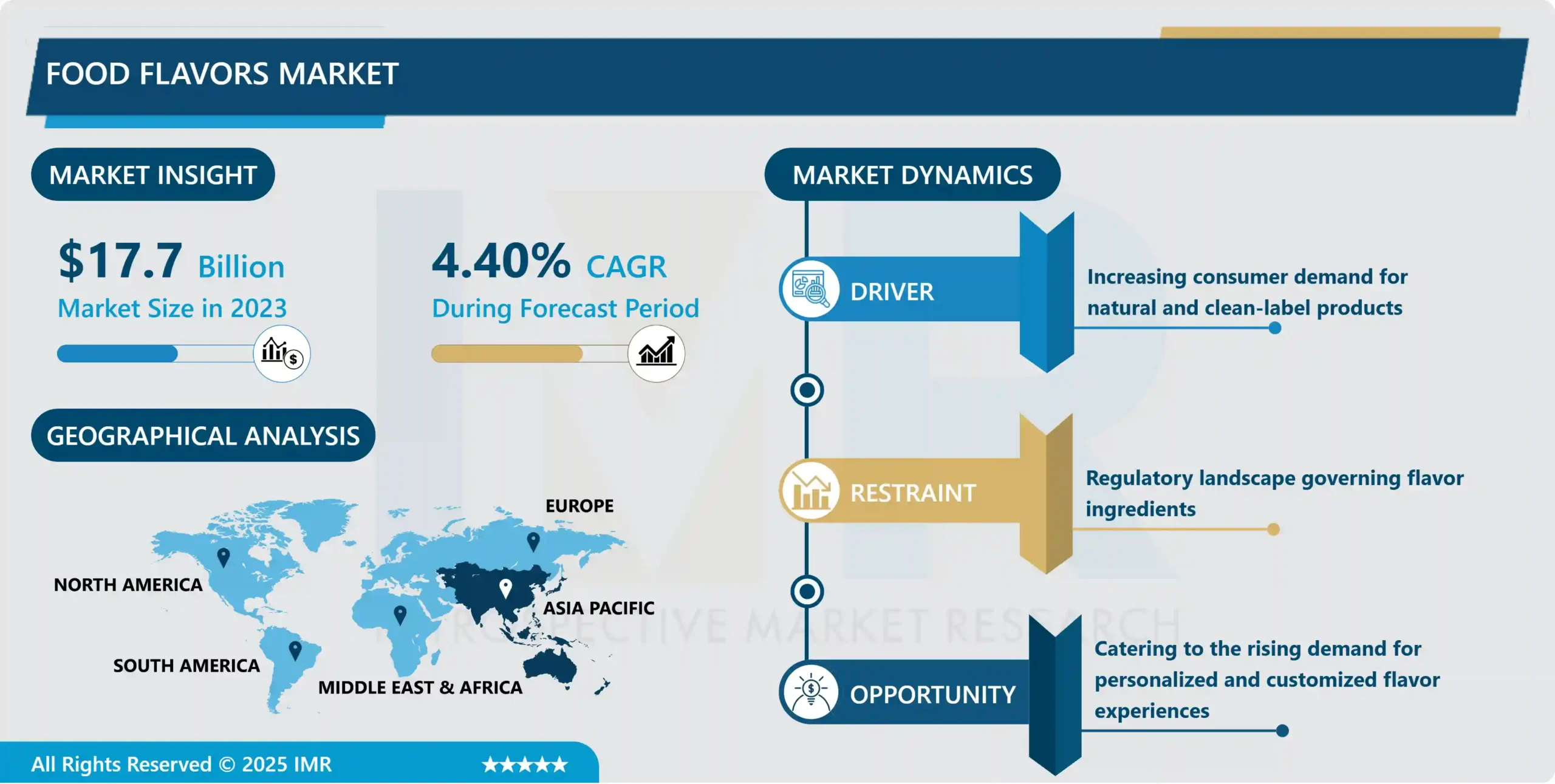
Food flavors must be understood as including feeling that customers get when they taste or smell their food. Gustation, which is felt on the taste buds located in the human tongue, is responsible for naming the flavors of spices, which include sweet, salty, sour, bitter and umami which are used to define the taste of foods.
Publication Date: 01/11/2025
Pages: 400
Publisher: IMR Group
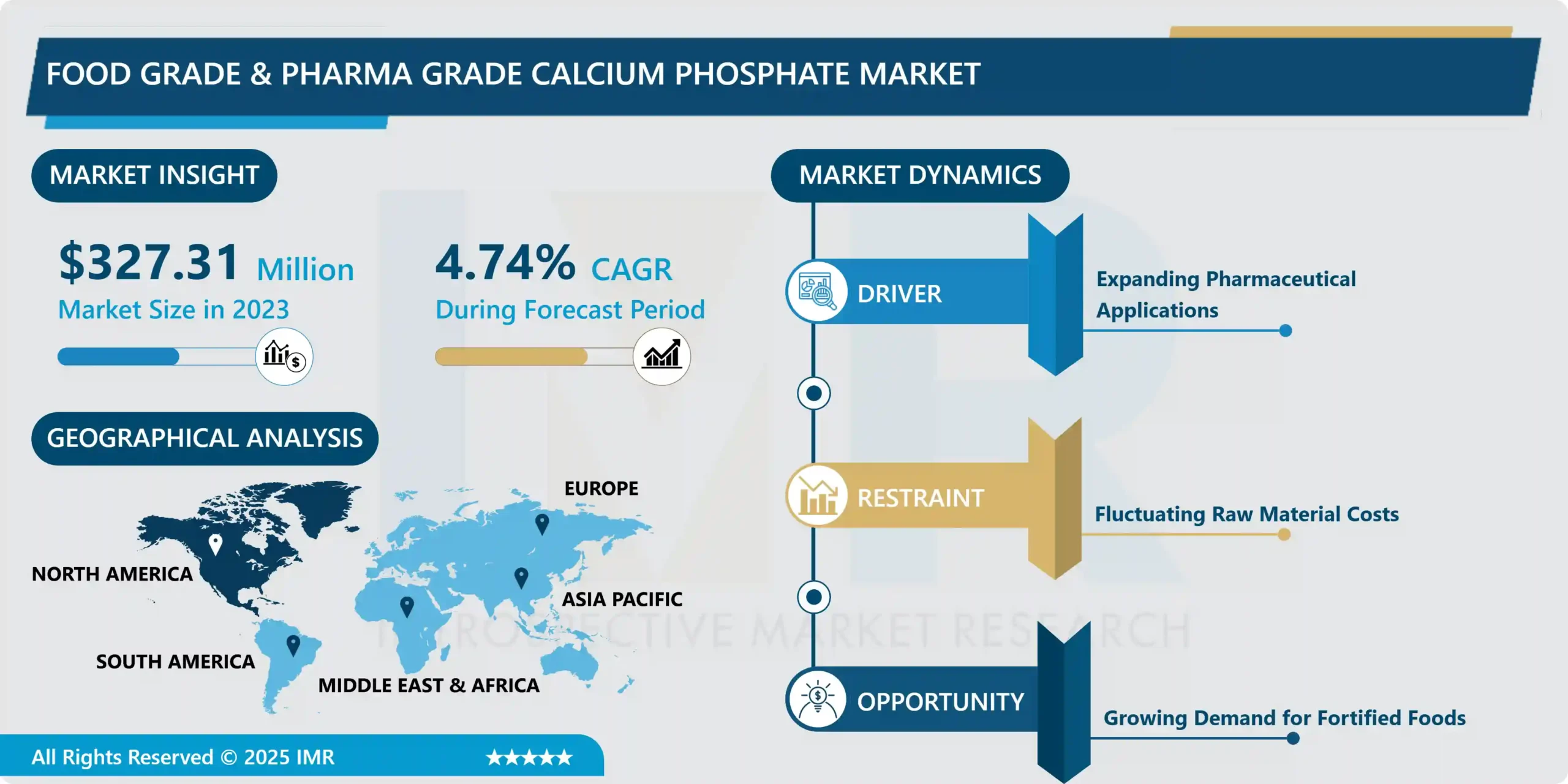
Food- and Pharma-Grade Calcium Phosphate represents a meticulously refined calcium phosphate variant meeting exacting standards for application in food and pharmaceutical spheres. Sourced from natural reservoirs such as minerals or bones, it undergoes stringent processing to comply with purity and safety criteria mandated by regulatory authorities.
Publication Date: 01/11/2025
Pages: 400
Publisher: IMR Group
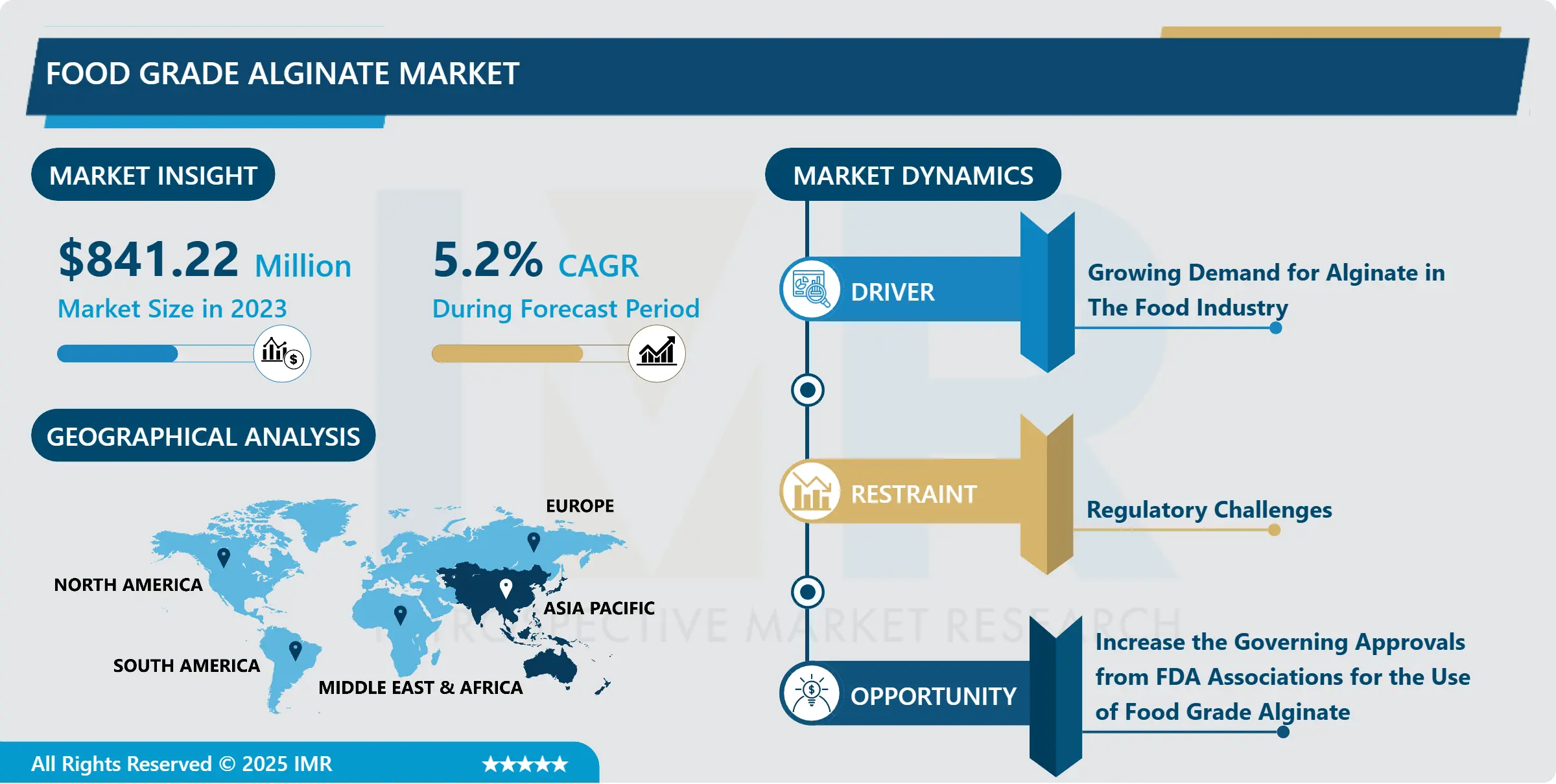
The food-grade alginate market refers to the segment of the food industry focused on the production, distribution, and consumption of alginate, a natural polysaccharide derived primarily from seaweed. Food-grade alginate is utilized as a versatile additive, valued for its unique gelling, thickening, and stabilizing properties in a wide range of food products. It is commonly employed in food processing to enhance texture, improve mouthfeel, and extend shelf life.
Publication Date: 01/11/2025
Pages: 400
Publisher: IMR Group
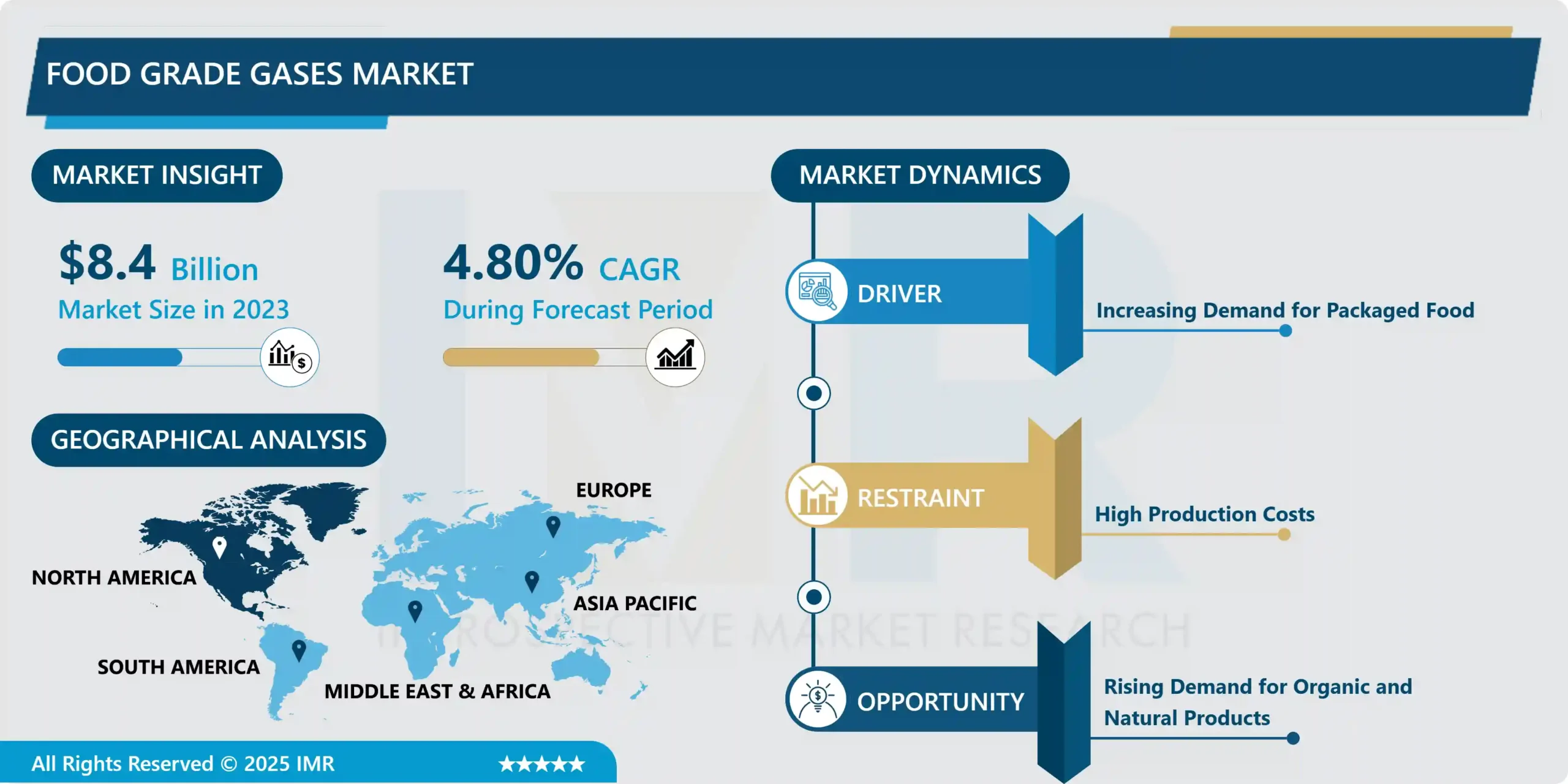
Food grade gases market is defined as the industry providing gases in high purity form which are utilized in the food processing industry for purposes like packaging, freezing and chilling and carbonation using gases including carbon dioxide, nitrogen, oxygen among others. These gases helps to maintain the acceptable storage atmosphere, inhibit food spoilage and contribute to food quality during storage and transportation. Food grade gases are manufactured and stored in a safe manner, the processes being carried out in accordance with the Food Good Grades required for interaction with foods.
Publication Date: 01/11/2025
Pages: 400
Publisher: IMR Group
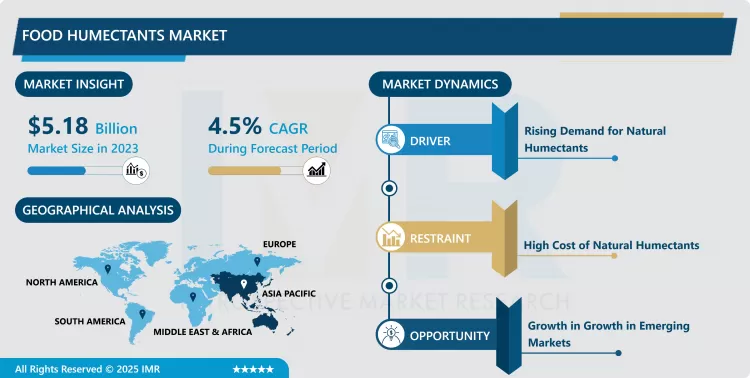
The Food Humectants Market describes the food industry which is particularly interested in processing reagents that promote the appropriate level of humidity in food products, and are used to enhance their quality properties. They are mostly incorporated into most processed foods, bakery products, confectionery, and beverages to provide protection against staling or causing the foods to dry up. Some of the common food humectants are glycerol, sorbitol, and xylitol, products that are used to control the water activity to enhance the food products shelf-life without affecting the quality.
Publication Date: 01/11/2025
Pages: 468
Publisher: IMR Group
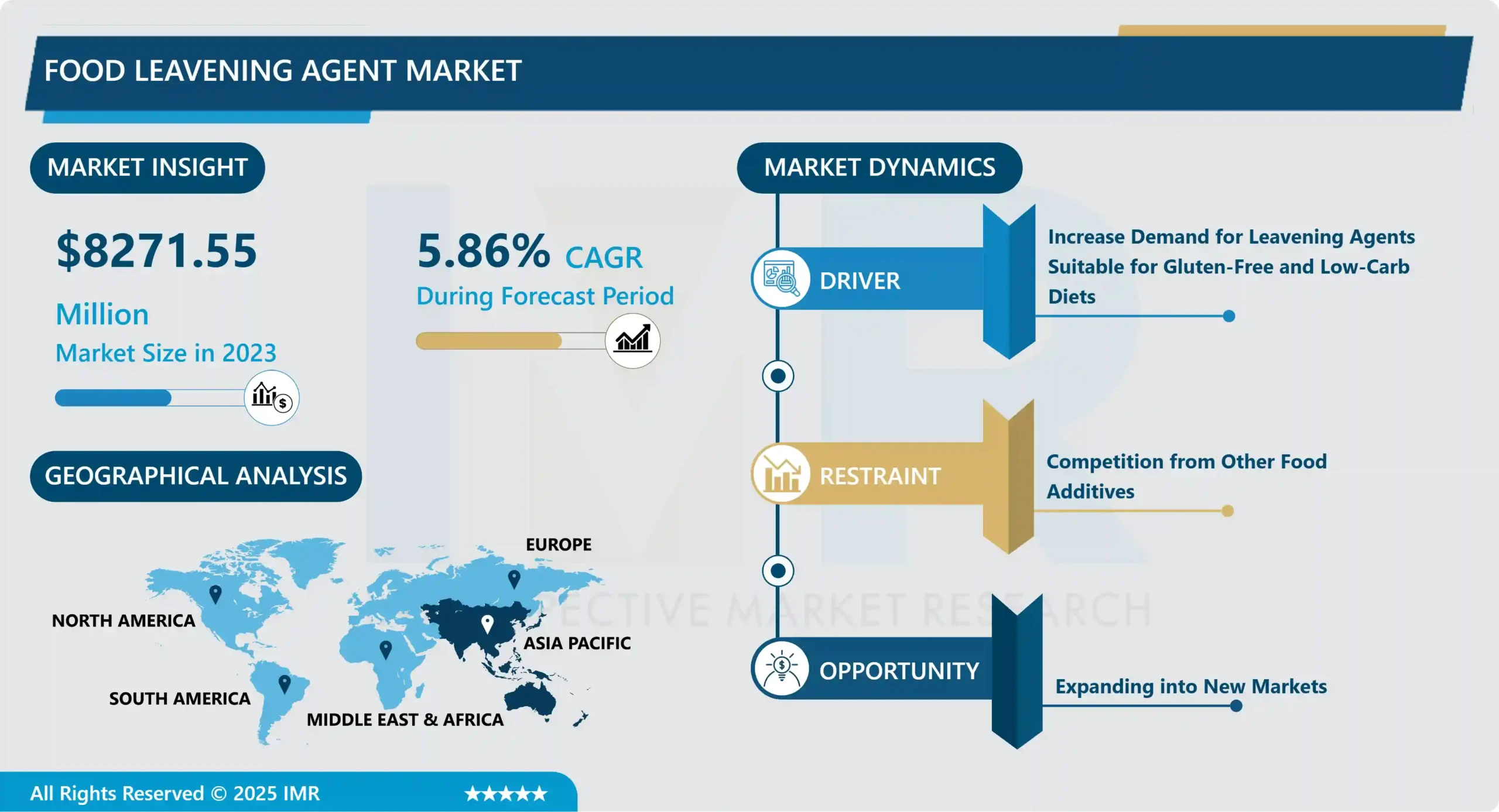
A leavening agent is a substance that produces carbon dioxide gas in food, causing it to rise and become light and fluffy. They are essential ingredients in baked goods such as bread, cakes, cookies, and pastries. Leavening agents produce carbon dioxide gas, which gets trapped in the dough or batter and causes it to rise. The gas is produced through a chemical reaction between an acid and a base or through yeast fermentation.
Publication Date: 01/11/2025
Pages: 400
Publisher: IMR Group
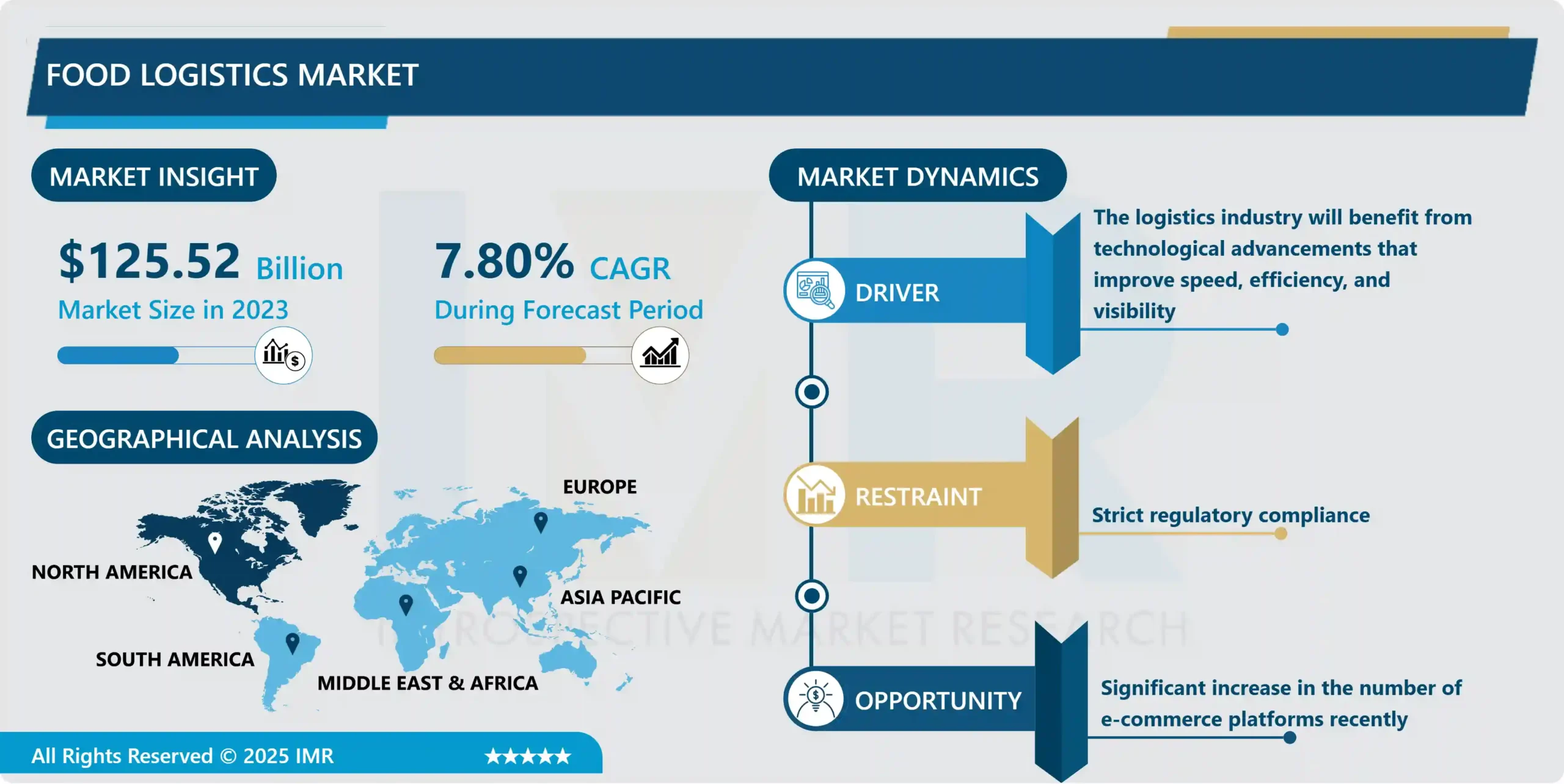
Food logistics is the term used to describe the process of managing, implementing, and planning the movement of food-related goods and services. These services consist of operations such as material handling, packaging, transportation, storage, security, and storage, scaled according to customer needs and market conditions.
Publication Date: 01/11/2025
Pages: 400
Publisher: IMR Group
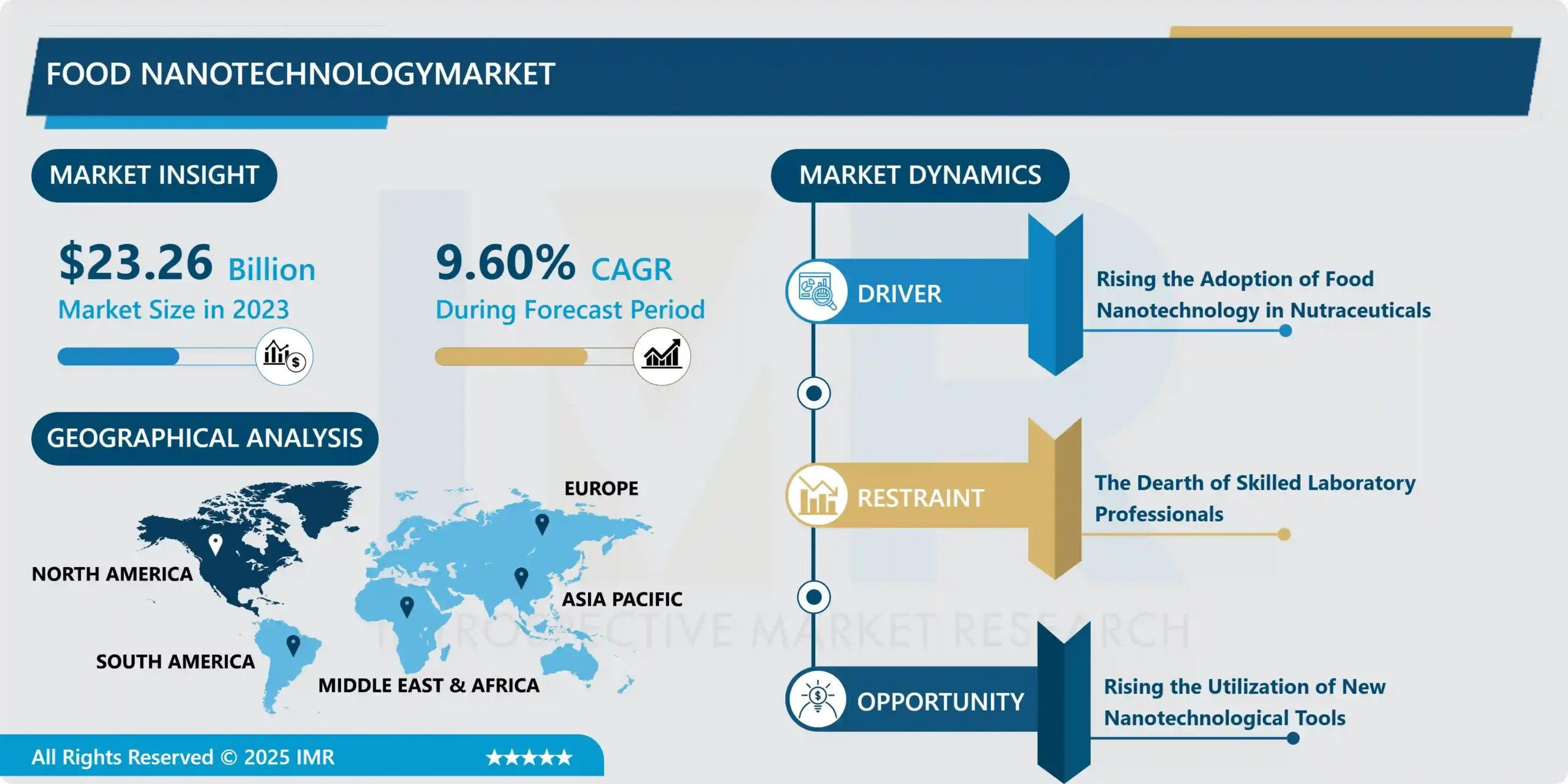
Food nanotechnology is basically used to detect the bacteria or harmful micro-organisms in the packaging or product. It’s an emerging technology that will open wide opportunities in the forecast period. It also helps in protecting the strong flavors and maintain the quality of the food.
Publication Date: 01/11/2025
Pages: 400
Publisher: IMR Group
Search By Country
Reports categories
Reports price filter
Why Buy From Us?
- ✓ Top Market Reports
- ✓ Bilingual Support
- ✓ Fast Delivery
- ✓ Affordable Rates
- ✓ Expert Assistance